Backup Power That Maintains Operations When Grid Fails
Standby Generator Installation in Decatur for commercial and agricultural properties facing costly interruptions during power outages
Power outages in Decatur disrupt refrigeration systems, halt production equipment, disable security systems, and force businesses to close until utility service resumes. Apex Electrical Solutions Inc installs standby generators that detect outages and restore power automatically, typically within seconds of grid failure. The systems serve commercial facilities, agricultural operations with livestock or refrigeration, and qualifying residential properties where maintaining power is critical.
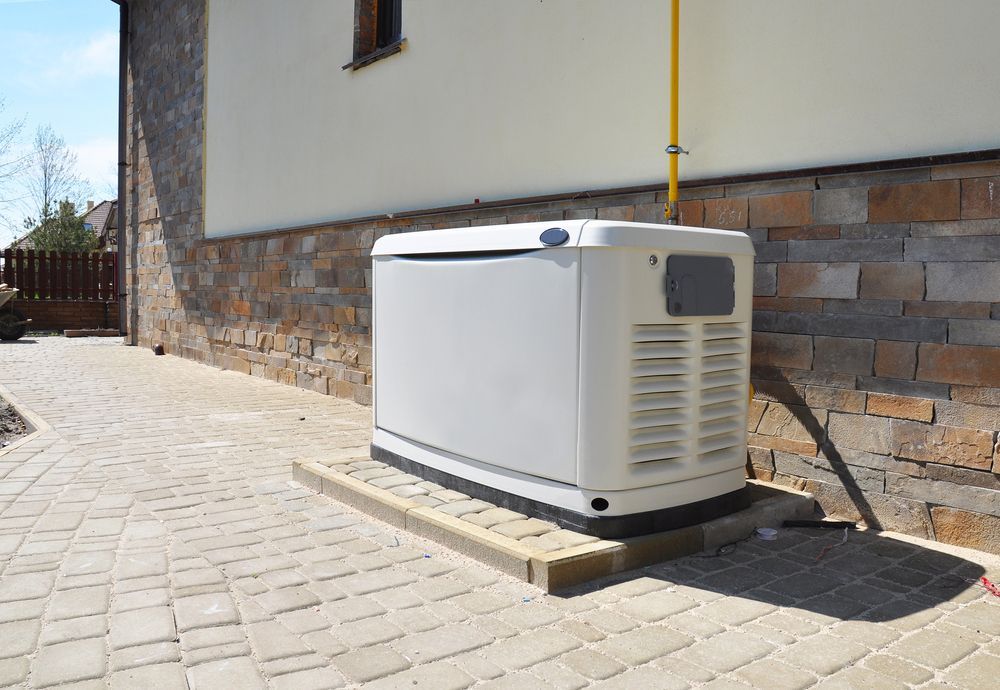
Generator installation involves sizing equipment to match your electrical load, installing an automatic transfer switch that shifts power sources when needed, connecting fuel supply lines, and testing the complete system under load. The transfer switch isolates your building from the utility grid during generator operation, preventing backfeed conditions that endanger utility workers and damage equipment.
Request a generator installation estimate to assess your property's backup power requirements and installation considerations.
How Integrated Backup Systems Reduce Business Interruptions
Installation begins with analyzing which circuits must remain powered during outages—essential loads like refrigeration, security systems, and critical equipment often take priority over non-essential lighting and convenience outlets. This load analysis determines generator size and whether you need whole-building coverage or selective circuit backup, which affects both equipment costs and fuel consumption during outages.
After installation, the system monitors utility power continuously. When an outage occurs, the transfer switch disconnects your building from the grid, signals the generator to start, and shifts electrical load to generator power once voltage stabilizes. Your lights stay on, refrigeration continues, and equipment keeps running without manual intervention. When utility power returns, the system transfers back automatically and runs the generator briefly to cool down before shutdown.
Generator installations include fuel source connections, either natural gas lines or propane tanks depending on availability and your preference. The installation also addresses proper ventilation, code-required clearances from building openings, and concrete pads sized to support the generator's weight and vibration during operation.
Answers to Frequent Generator Questions
Property owners evaluating backup power solutions ask about system sizing, fuel options, and how generator installations integrate with existing electrical systems.
How do you determine what generator size a building needs?
Generator sizing starts with calculating the total wattage of all circuits you want powered during outages, accounting for motor starting loads that temporarily spike higher than running loads. Undersized generators cannot start equipment properly, while oversized units waste fuel and cost more upfront.
What factors affect generator installation costs?
Installation costs vary based on generator size, distance between the generator location and your electrical panel, fuel source connections, concrete pad requirements, and whether local codes require additional permits or inspections for standby power systems.
How quickly does the generator restore power after an outage?
Automatic transfer switches detect outages within seconds, signal the generator to start, and transfer loads once the generator reaches stable voltage and frequency. The entire process typically completes within 10 to 20 seconds for most standby systems.
What maintenance do standby generators require?
Generators require periodic testing under load, oil and filter changes based on runtime hours, battery replacements to maintain reliable starting, and inspections of fuel lines and electrical connections. Central Illinois temperature swings can affect battery performance and fuel quality, making scheduled maintenance particularly important.
Can generators power an entire building or only certain circuits?
Transfer switch configurations allow either whole-building backup or selective circuit backup. Whole-building systems cost more but maintain normal operations during outages, while selective systems prioritize essential loads and reduce generator size and fuel consumption.
Apex Electrical Solutions Inc customizes generator solutions based on each property's electrical requirements and backup power priorities. Contact our team to discuss your facility's specific outage risks and backup power options.