Reducing Operational Energy Costs With Photovoltaic Systems
Solar Panel Installation in Decatur for commercial, agricultural, and qualifying residential properties seeking long-term energy efficiency improvements
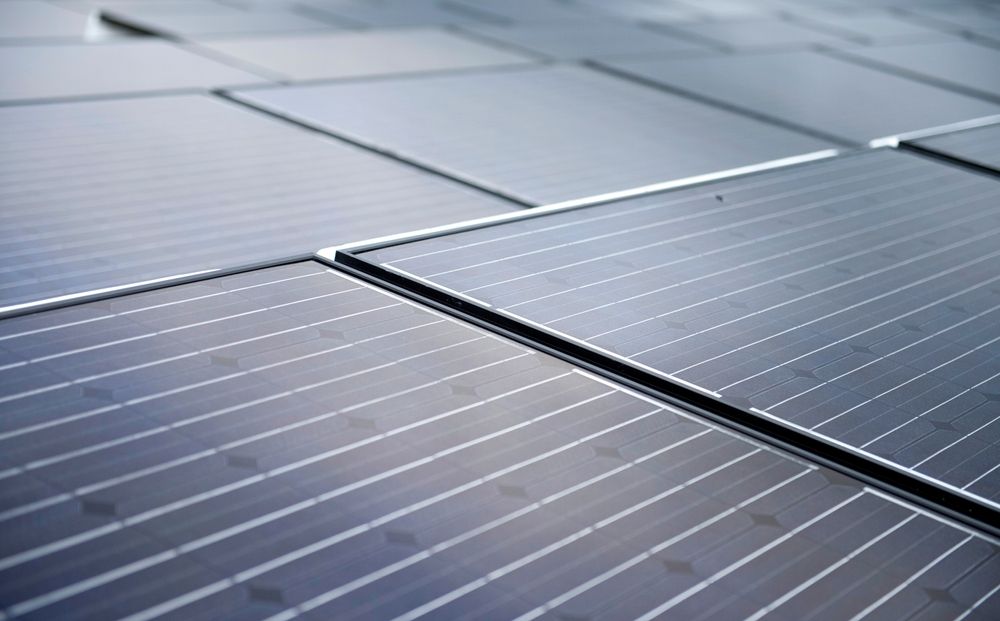
Central Illinois receives approximately 4.2 peak sun hours daily on average, which produces measurable energy output from properly oriented photovoltaic arrays even in a climate with significant seasonal variation. Solar panel installation involves roof structure evaluation, electrical system integration, and equipment placement that maximizes production while meeting interconnection requirements with local utilities serving Decatur. Apex Electrical Solutions Inc designs systems sized to customer energy goals and property characteristics, with every project planned to integrate with existing electrical infrastructure.
Solar installations require structural analysis to verify roof capacity for panel weight and wind loads, electrical calculations to size inverters and AC disconnect equipment, and coordination with utility companies for net metering agreements. Array orientation and tilt angle directly affect energy production, and shading from trees or adjacent buildings reduces output more significantly than most property owners expect. System design must also account for future expansion, maintenance access, and snow load considerations relevant to Illinois weather patterns.
Schedule a solar consultation to evaluate site conditions and review system design options.
How Solar Installations Integrate With Property Electrical Systems
Photovoltaic systems connect to existing electrical panels through dedicated breakers sized according to inverter output specifications and busbar capacity calculations. Rapid shutdown equipment installed per current National Electrical Code requirements allows first responders to de-energize rooftop arrays during emergencies. Monitoring systems track production data and identify underperforming panels or inverter issues that affect system output. Grounding and bonding procedures prevent potential differences between array frames and building electrical systems.
After installation, inverters convert DC power from solar panels to AC power that supplies building loads or exports to the utility grid. Property owners notice reduced utility bills during daylight hours when solar production offsets consumption, and net metering credits apply when generation exceeds usage. The system operates automatically without daily intervention, though monitoring systems provide visibility into production trends and equipment status. Properly installed arrays withstand wind, snow, and hail while producing power for decades with minimal maintenance beyond occasional panel cleaning and inverter component replacement.
System design includes provisions for future expansion if property energy needs increase or budget allows additional capacity later. Conduit pathways, panel space, and inverter sizing can accommodate added arrays without replacing existing infrastructure.
What to Know Before Installing Solar Panels
Solar installations involve technical decisions about equipment selection, system sizing, and structural integration that affect long-term performance and financial returns.
What determines whether a property is suitable for solar panels?
Roof condition, structural capacity, orientation, and shading are primary factors. South-facing roof sections with minimal shade produce optimal output, though east and west orientations also generate significant power. Decatur properties with metal roofs or newer shingle roofs generally offer better mounting options than older roofs nearing replacement.
How is a solar system sized for a specific property?
System size is based on historical energy consumption, available roof area, budget, and whether the goal is partial offset or full consumption coverage. Electrical panel capacity and utility interconnection limits also constrain maximum system size.
What happens during cloudy weather or at night?
Solar production decreases during overcast conditions and stops at night. Grid-tied systems draw power from the utility when solar output is insufficient, and net metering arrangements credit excess daytime production against nighttime consumption on monthly billing cycles.
What maintenance do solar panels require?
Panels need occasional cleaning if dirt or debris accumulates, and inverters require inspection to verify proper operation. Monitoring systems alert owners to performance issues, and most equipment carries warranties covering component failures for extended periods.
How are solar installations integrated with existing electrical systems?
Dedicated breakers connect inverter output to distribution panels, with sizing calculations ensuring the panel busbar isn't overloaded. Utility disconnects allow service personnel to isolate the solar system, and all equipment is installed according to electrical code requirements for distributed generation.
Solar panel installation requires coordinating structural, electrical, and utility requirements to produce reliable long-term performance. Apex Electrical Solutions Inc evaluates site conditions and designs systems aligned with customer energy goals. Request a solar estimate to review system options and project specifics for your property.